
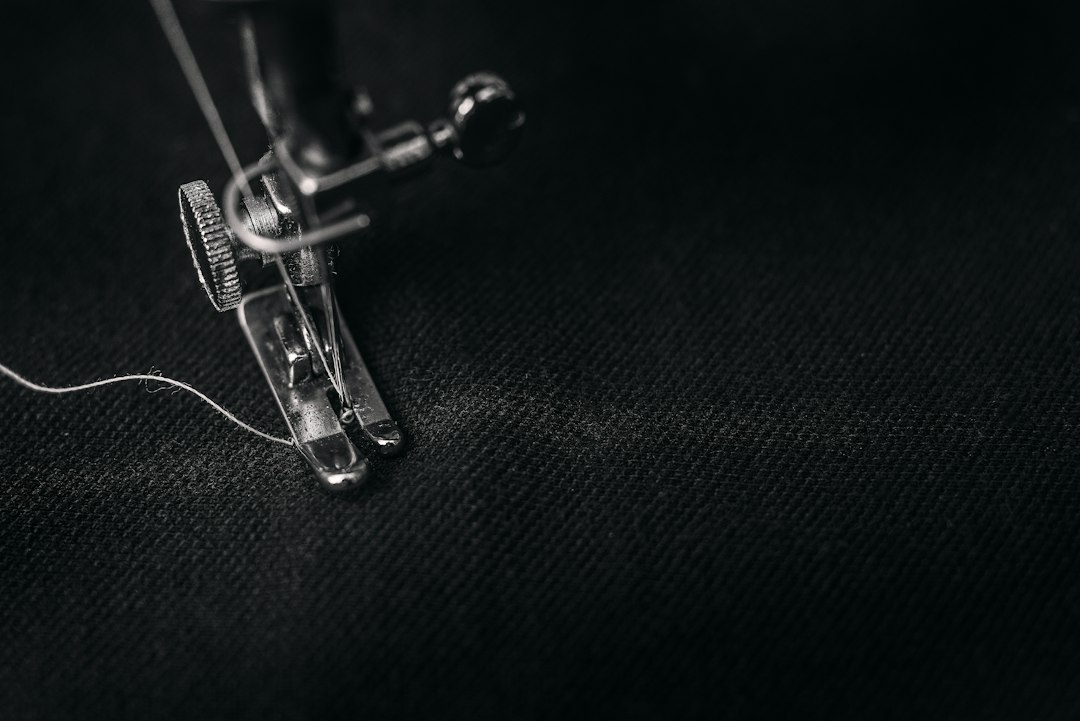
Every fashion designer has a unique journey that shapes their creative process and influences their designs. Understanding the day-to-day activities of a fashion designer can provide insight into the complexities of the fashion industry. From sketching initial concepts to overseeing production, the life of a fashion designer is both challenging and rewarding.
The Creative Process
The creative process begins with inspiration, which can come from various sources such as art, nature, or cultural trends. Designers often spend hours researching and gathering materials that resonate with their vision. This stage is crucial as it sets the foundation for the entire collection, allowing designers to explore different themes and styles that will appeal to their target audience.
Once the inspiration is gathered, designers move on to sketching their ideas. This is where creativity truly flourishes, as they translate their thoughts into visual representations. The sketches serve as a blueprint for the garments, detailing everything from fabric choices to color palettes. This initial phase is essential for ensuring that the final product aligns with the designer’s vision and meets market demands.
Collaboration and Communication
Collaboration is a key aspect of a designer’s life, as they work closely with various teams, including pattern makers, seamstresses, and marketing professionals. Effective communication is vital to ensure that everyone involved understands the designer’s vision and can contribute to bringing it to life. Regular meetings and updates help maintain alignment and foster a collaborative environment where ideas can be shared freely.
Additionally, designers often collaborate with other creatives, such as photographers and models, to showcase their work. This collaboration extends beyond the design process, as it involves planning photo shoots and runway shows that highlight the collection. By working together, designers can create a cohesive narrative that resonates with their audience and enhances brand visibility.
Production and Quality Control
Once the designs are finalized, the production phase begins. This involves sourcing materials and overseeing the manufacturing process to ensure that each piece meets quality standards. Designers must be meticulous during this stage, as any discrepancies can affect the overall success of the collection. They often visit factories to monitor production and address any issues that may arise, ensuring that the final products align with their original vision.
Quality control is paramount in the fashion industry, as consumers expect high standards from brands. Designers must be vigilant in inspecting samples and finished products, making adjustments as necessary. This attention to detail not only enhances the brand’s reputation but also fosters customer loyalty, as clients appreciate well-crafted garments that stand the test of time.
Marketing and Brand Development
In today’s competitive fashion landscape, effective marketing is essential for a designer’s success. Designers must develop a strong brand identity that resonates with their target audience. This involves creating a compelling narrative around their collections, utilizing social media, and engaging with customers through various channels. By building a recognizable brand, designers can differentiate themselves from competitors and attract a loyal following.
Moreover, understanding market trends and consumer behavior is crucial for staying relevant. Designers often analyze purchasing patterns and preferences to inform their future collections. Key Insight: Recent studies indicate that 67% of consumers are more likely to purchase from brands that demonstrate a commitment to sustainability, highlighting the importance of aligning design practices with consumer values.
Conclusion
The life of a fashion designer is a blend of creativity, collaboration, and strategic thinking. From the initial spark of inspiration to the final product launch, each step is integral to the success of a collection. By understanding the intricacies of this profession, aspiring designers can better prepare themselves for the challenges and rewards that lie ahead.
Ultimately, the journey of a fashion designer is about more than just creating beautiful garments; it is about making a lasting impact on the industry and connecting with consumers on a deeper level. As the fashion landscape continues to evolve, designers must remain adaptable and innovative, ensuring that their work not only meets market demands but also inspires future generations.